Iron Deficiency Anaemia Symptoms in Women: Signs, Causes and Treatment
Tired, breathless and pale? Learn iron deficiency anaemia symptoms in women, common causes, iron-rich Bangladeshi foods, and how iron tablets work.
Medically reviewed by Dr. Sharmin Jahan Shawon, MBBS, FCPS (Part 1), MS (Phase B) · Reviewed on 1 November 2026

Feeling tired all the time, getting breathless on the stairs, looking pale — many women in Bangladesh accept these as part of daily life. Often, the real cause is anaemia, and the most common type is iron deficiency anaemia. Knowing iron deficiency anaemia symptoms helps you get tested early.
The WHO calls anaemia a major public health concern, mainly affecting young children, pregnant and postpartum women, and menstruating girls and women. It estimates about 30% of women aged 15–49 and 37% of pregnant women worldwide are affected. The good news: the WHO also says anaemia is preventable and treatable.
What Is Anaemia?
The WHO defines anaemia as a condition where the number of red blood cells or the haemoglobin inside them is lower than normal. Haemoglobin carries oxygen to the organs. When it's low, the body doesn't get enough oxygen — so you feel tired and weak.
The NHS says iron deficiency anaemia is the most common type. Your body needs iron to make haemoglobin.
Iron Deficiency Anaemia Symptoms
Common symptoms (NHS)
- Tiredness and lack of energy
- Shortness of breath
- Noticeable heartbeats (palpitations)
- Paler than usual skin
- Headaches
Less common symptoms (NHS)
- Ringing or buzzing in the ears (tinnitus)
- Food tasting strange
- Feeling itchy
- Sore tongue
- Hair loss — more hair coming out when brushing or washing
- Craving non-food items, such as paper or ice (pica). In Bangladesh, some women crave mud, chalk or raw rice — tell your doctor if this happens
- Difficulty swallowing
- Painful sores in the corners of the mouth
- Spoon-shaped nails
- Restless legs
Example
Moushumi, 27, a garment worker in Gazipur, has heavy periods and feels exhausted by evening. She gets dizzy when she stands up quickly and her friends say she looks pale. A doctor arranges a full blood count, which shows low haemoglobin. Further tests confirm iron deficiency, and treatment is started along with advice about her heavy periods.
What Causes Iron Deficiency Anaemia?
The NHS says:
- Heavy periods and pregnancy are very common causes
- In pregnancy, it is most often caused by a lack of iron in the diet
- Bleeding in the stomach and intestines is another common cause — for example from an ulcer or regular use of some painkillers (see acidity and gastric pain)
The WHO adds that anaemia can be caused by poor nutrition, infections, chronic diseases, heavy menstruation, pregnancy issues and family history. It lists thalassaemia among the largest causes of anaemia worldwide.
Why this matters in Bangladesh
- Thalassaemia trait is not rare, and it can look like iron deficiency on a blood test. Taking iron when you don't need it is not helpful. A doctor may order extra tests before treatment.
- Worm infections and frequent infections can also contribute.
- Women often eat last in the family, and may eat less meat or fish.
- Many cups of tea with meals can reduce iron absorption (see below).
How Is It Diagnosed?
The NHS says a doctor will ask about your lifestyle and medical history and usually arrange a full blood count (FBC/CBC) (see CBC report explained). No special preparation is needed.
The blood test also checks for other types, such as vitamin B12 or folate deficiency anaemia. If the cause is unclear, the doctor may arrange more tests — for example, a stool test for hidden blood — or a specialist referral.
Treatment for Iron Deficiency Anaemia
Find and treat the cause
The NHS says once the cause is found (for example, an ulcer or heavy periods), the doctor will recommend treatment for it. Heavy periods can be treated with medicine.
Iron tablets
According to the NHS:
- Iron tablets are recommended to replace missing iron
- You'll usually need them for about 6 months
- Drinking orange juice after a tablet may help absorption
- Side effects can include constipation or diarrhoea, tummy pain, heartburn, feeling sick, and darker poo
- Taking tablets with or soon after food may reduce side effects
- It's important to keep taking them even if you get side effects
- Your doctor may do repeat blood tests to check progress
⚠️ Safety warning
The NHS warns: keep iron tablets out of reach of children. An iron overdose in a young child can be fatal.
Iron-Rich Foods
The NHS suggests eating more:
- Dark-green leafy vegetables
- Fortified cereals and bread
- Meat
- Dried fruit, such as apricots, prunes and raisins
- Pulses — beans, peas and lentils
Bangladeshi examples
- Lal shak, palong shak, kochu shak and other leafy greens
- Dal of all kinds, chickpeas (chola)
- Beef, mutton, chicken liver, eggs
- Small fish like mola and kachki, often eaten whole
- Dates (khejur) and raisins
Pair plant-based iron foods with vitamin C foods like lemon, guava, amloki or orange — this is in line with the NHS tip on orange juice.
Eat and drink less of these with meals (NHS)
- Tea
- Coffee
- Milk and dairy
- Foods high in phytic acid, such as wholegrain cereals
Large amounts can make it harder to absorb iron. Try having tea between meals rather than with them.
Anaemia in Pregnancy
The WHO lists pregnant and postpartum women among the most affected groups and notes anaemia can cause problems for pregnant women and their babies. Know the pregnancy danger signs, attend antenatal check-ups, take iron and folic acid as advised by your doctor or health worker, and report extreme tiredness or breathlessness.
When to See a Doctor
See a doctor if:
- You have symptoms of anaemia
- You have heavy periods that soak through pads quickly or last more than a week
- You are pregnant and feel very tired or breathless
- You have black stools, stomach pain, or unexplained weight loss
- You crave non-food items
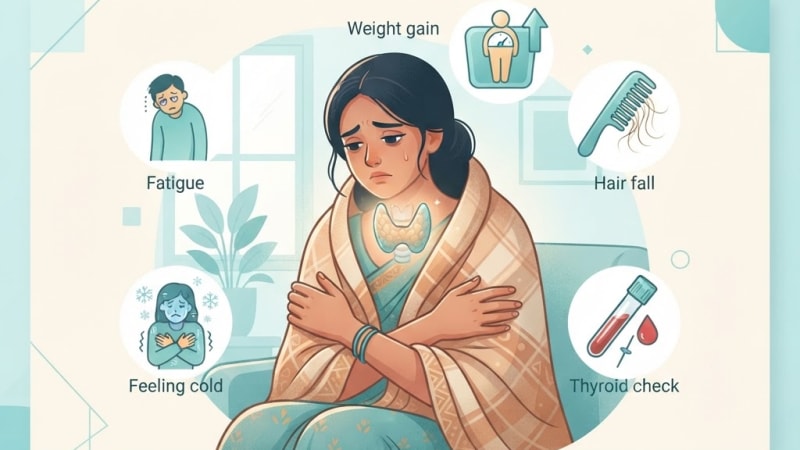
- Tiredness doesn't improve and you also feel cold or gain weight (possible underactive thyroid)
Go to hospital urgently for severe breathlessness, chest pain, fainting, or heavy bleeding.
Frequently Asked Questions
What are the first signs of iron deficiency anaemia?
Tiredness, lack of energy, shortness of breath, palpitations, pale skin and headaches (NHS).
How long do iron tablets take to work?
The NHS says you'll usually take them for about 6 months, with repeat blood tests to check progress.
Can I take iron tablets without a test?
It's best to get tested first. Other causes, such as thalassaemia trait, can look similar but don't need iron.
Does tea cause anaemia?
Large amounts of tea with meals can reduce iron absorption. Drink tea between meals instead.
Why does iron make my stool black?
Darker poo is a known side effect of iron tablets (NHS). But black, tarry stool with stomach pain or dizziness needs a doctor.
Which fruit is best for anaemia?
Fruits rich in vitamin C help iron absorption. Dried fruits like raisins and apricots also contain iron.
Get Your Anaemia Questions Answered on ShifaMate
If you feel tired and breathless or have a low haemoglobin report, you can consult a verified doctor through ShifaMate. Upload your CBC report, describe your periods, diet and symptoms, and mention pregnancy. The doctor can advise on tests and treatment and issue a digital prescription when clinically appropriate. You can also browse ShifaMate doctors.
References
This article is for general information and does not replace advice from a qualified doctor.
Sources
Last updated: 2 November 2026
This article is general health information, not medical advice for any individual. For your own situation, consult a registered doctor. In an emergency, go to the nearest hospital without delay.