High Blood Pressure Symptoms and How to Check Your BP at Home
High blood pressure often has no symptoms. Learn normal BP ranges, warning signs, how to measure BP at home correctly, and when to see a doctor.
Medically reviewed by Dr. Md. Mahadi Hassan Bhuyan, MBBS, FCPS (Part 1), MD (Phase B) · Reviewed on 3 November 2026
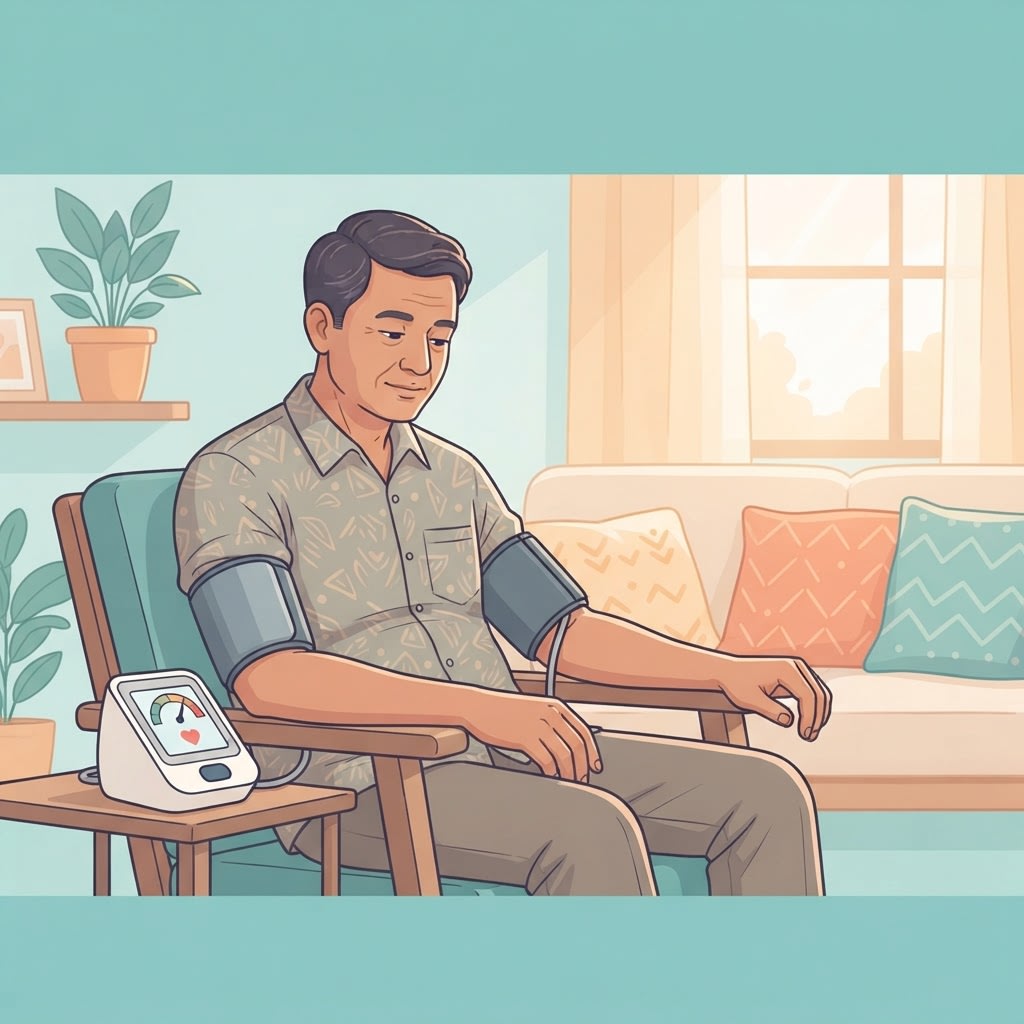
Many people in Bangladesh say, "My pressure is fine — I don't feel anything." The problem is that high blood pressure (hypertension) usually causes no symptoms at all until it has already damaged the heart, brain, kidneys or eyes. That is why it is called a "silent killer".
The good news: hypertension is easy to check, and with lifestyle changes and, when needed, medicine, it can be controlled. This guide explains high blood pressure symptoms (and the lack of them), normal ranges, and how to measure your blood pressure correctly at home.
What Is Blood Pressure?
Blood pressure is the force of blood pushing against the walls of your arteries. It is written as two numbers, for example 120/80 mmHg:
- Systolic (top number): pressure when the heart beats
- Diastolic (bottom number): pressure when the heart rests between beats
Blood pressure ranges
According to the WHO, hypertension is diagnosed when, on two different days, readings are:
- Systolic 140 mmHg or higher, and/or
- Diastolic 90 mmHg or higher
General guide:
| Category | Reading (mmHg) |
|---|---|
| Normal (ideal) | below 120/80 |
| Raised / borderline | 120–139 / 80–89 |
| High blood pressure | 140/90 or higher (clinic readings) |
| Very high — seek urgent care | 180/120 or higher |
For home readings, the NHS uses a slightly lower threshold: an average of 135/85 or above suggests high blood pressure. Your doctor will decide what target is right for you, especially if you have diabetes or kidney disease.
High Blood Pressure Symptoms
Most people have no symptoms
The WHO notes that most people with hypertension do not feel any symptoms. Headache or neck pain are often blamed on BP, but they are not reliable signs. A sudden severe headache needs urgent care (see fever in adults: red flags for similar emergency signs). The only way to know is to measure it.
Symptoms that may occur with very high BP
When blood pressure is very high, some people experience:
- Severe headache
- Blurred vision or other vision changes
- Chest pain
- Shortness of breath
- Nosebleeds
- Dizziness, confusion, nausea or vomiting
- Irregular heartbeat or anxiety
Emergency: go to hospital immediately
If your BP is 180/120 or higher with any of these, call 999 or go to the nearest emergency department:
- Chest pain
- Sudden weakness or numbness in the face, arm or leg
- Trouble speaking or understanding speech
- Sudden severe headache, confusion or vision loss
- Severe breathlessness
These can be signs of a heart attack, stroke or other emergency. Do not wait for an online consultation.
Who Is at Risk?
Hypertension is common in Bangladesh and becomes more common with age. Risk factors listed by the WHO include:
- Eating too much salt — including extra raw salt on rice, pickles, chanachur, chips and processed food
- Low intake of fruit and vegetables
- Lack of physical activity
- Overweight and obesity, especially around the waist
- Tobacco — smoking and also jorda, gul and sadapata
- Alcohol
- Family history of hypertension
- Age over 65
- Diabetes or kidney disease (know the early signs of diabetes)
How to Check Blood Pressure at Home Correctly
A home BP machine is one of the most useful health tools a family can own, especially for older parents. Readings can also be shared in an online consultation (see our guide to consulting a doctor online in Bangladesh).
Choosing a machine
- Choose an automatic upper-arm digital monitor. Wrist machines are less reliable for most people.
- Make sure the cuff size fits the arm. A cuff that is too small gives falsely high readings.
- Look for a machine that is clinically validated. Ask your doctor or pharmacist.
Step-by-step method
- Avoid tea, coffee, smoking and exercise for 30 minutes before measuring.
- Empty your bladder.
- Sit on a chair with your back supported and both feet flat on the floor. Do not cross your legs.
- Rest quietly for 5 minutes.
- Place the cuff on bare upper arm, about 2–3 cm above the elbow crease.
- Rest your arm on a table so the cuff is at heart level.
- Do not talk during the reading.
- Take two readings, 1 minute apart, and write both down.
When to measure
If your doctor asks you to monitor, a common approach is to measure morning and evening for 7 days and share the record. Note the date, time and both readings.
Example
Mr. Karim, 58, from Khulna, got a reading of 160/100 at a pharmacy after rushing there in the heat. His doctor asked him to measure at home properly for a week. His average was 146/92 — still high, but less than the pharmacy reading. This record helped the doctor plan treatment based on real data.
Lowering Blood Pressure: Lifestyle Changes That Help
These steps are recommended by the WHO and NHS:
- Cut down on salt. Avoid adding raw salt at the table, and limit pickles, chips, instant noodles and processed foods. The WHO recommends less than 5 g of salt per day (about one teaspoon) for adults.
- Eat more vegetables, fruit, lentils (dal) and whole grains.
- Be active. Aim for at least 150 minutes of moderate activity per week, such as brisk walking.
- Keep a healthy weight.
- Stop all tobacco, including smokeless tobacco.
- Avoid alcohol.
- Manage stress and sleep well.
If you are prescribed medicine
- Take it every day, even when you feel well
- Do not stop suddenly or skip doses when your BP seems normal — it is normal because of the medicine
- Tell your doctor about side effects such as dizziness, cough or swollen ankles
- Bring your home BP record to every follow-up
Frequently Asked Questions
What are the first signs of high blood pressure?
Usually there are no signs. Regular measurement is the only reliable way to find out.
Can high blood pressure cause headache?
Very high BP can cause headache, but most headaches are not caused by BP. Check your BP rather than guessing.
What is normal blood pressure by age?
Below 120/80 is considered ideal for adults. Targets may differ for older people or those with other conditions; your doctor will advise.
Can I stop BP medicine if my reading is normal?
No. Do not stop without talking to your doctor. Stopping can make BP rise again.
How often should I check my BP?
Adults should have their BP checked at least once a year, more often if it is high or you have risk factors. Follow your doctor's monitoring plan.
Is 140/90 dangerous?
It is in the high range and needs medical attention, but is not usually an emergency without symptoms. Consult a doctor to plan next steps.
Follow Up Your Blood Pressure with a Doctor on ShifaMate
If you have raised readings but no emergency symptoms, you can consult a verified general physician through ShifaMate. Share your home BP record, current medicines, and any recent reports such as blood sugar, kidney function or ECG. The doctor can advise on lifestyle, tests, and treatment where appropriate. You can also browse ShifaMate doctors.
For BP of 180/120 or higher with chest pain, weakness or confusion, go to hospital immediately or call 999.
References
- World Health Organization. Hypertension (fact sheet)
- World Health Organization. Salt reduction
- NHS. High blood pressure (hypertension)
- NHS. Blood pressure test
- CDC. High Blood Pressure
- DGHS Bangladesh, Non-Communicable Disease Control programme
This article is for general information and does not replace advice from a qualified doctor.
Sources
Last updated: 4 November 2026
This article is general health information, not medical advice for any individual. For your own situation, consult a registered doctor. In an emergency, go to the nearest hospital without delay.


